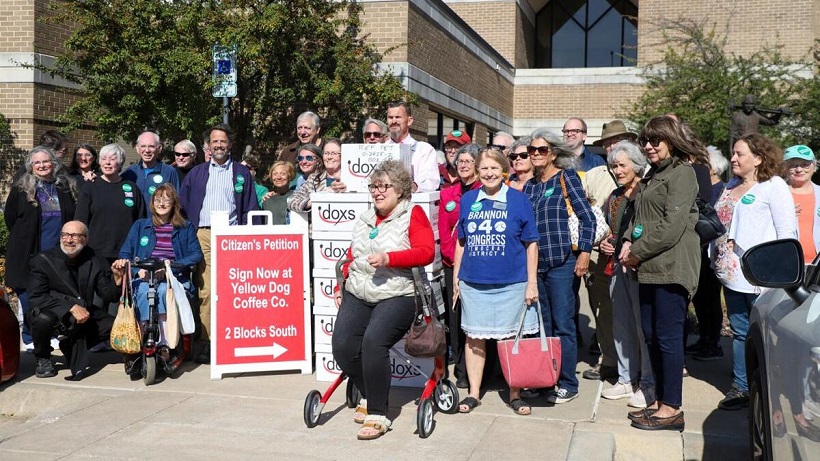
NORMAN, Okla. — A group of local residents advocating against a taxpayer-funded plan to build a billion-dollar entertainment district in Norman is taking its fight to the Oklahoma Supreme Court. The group, Oklahomans For Responsible Economic Development (ORED), is pushing to send the issue to a public vote after a Cleveland County District Judge ruled against their petition, blocking a referendum.
The controversy centers around a decision by the Norman City Council to move forward with a development project near I-35 and Rock Creek Road. The project, which includes a new arena for the University of Oklahoma’s (OU) athletics, retail, housing, and office spaces, is partly funded through two Tax Increment Finance Districts (TIFs). One TIF uses sales tax revenue, while the other relies on ad valorem tax. Additionally, the University of Oklahoma has committed to funding part of the project.
The city council approved the project with a 5-4 vote after hours of contentious debate. While many council members supported the potential economic benefits, some local residents were concerned about the financial burden of funding through TIFs, which use future tax revenues to cover upfront costs.
Opponents of the project, including ORED, have made it clear that they do not oppose the development itself but object to the funding plan. They argue that taxpayers should not be responsible for footing the bill.
During a September council meeting, University of Oklahoma President Joseph Harroz Jr. encouraged the city council to approve the project, stressing the importance of moving forward. “You either get on board and invest or you get left behind,” Harroz said.
In response to the council’s decision, ORED launched a petition to send the funding plan to a public vote, gathering over 10,000 signatures in just 30 days. However, despite the strong public support for a referendum, opponents of the petition filed a lawsuit, challenging the legality of the petition’s wording.
Initially, the legal challenge focused on the validity of the signatures, but that argument was dropped earlier this month. Instead, a Cleveland County District Judge ruled that the petition’s “gist”—or summary—was legally insufficient, effectively preventing the issue from reaching a public vote.
Rob Norman, an attorney representing ORED, expressed frustration with the court’s decision but vowed to continue the fight. Speaking to a packed room of Norman residents, Norman emphasized the group’s belief in the people’s right to have a say in the matter. “We believe voters deserve to have their voices heard,” he said. “Oklahoma’s constitution guarantees the right to a referendum petition by the people.”
Norman confirmed that his team plans to file an appeal with the Oklahoma Supreme Court within the next 30 days. He indicated that while the appeal would focus on the technical legal aspects of the case, the core message remains the same: the people should have the right to decide the fate of the taxpayer-funded financing.
“If you really want to know what the real gist is,” Norman said, “we want to bring this to a vote of the people, and that’s all.”
The future of the project now hinges on the outcome of the legal battle. Should the Oklahoma Supreme Court side with ORED, the issue could ultimately go to a public vote, giving Norman residents the opportunity to decide whether they want to approve the TIF funding plan. Until then, the controversy surrounding the entertainment district’s financing continues to divide the community, with ongoing debates about the role of public funding in large-scale developments.